
How to Eliminate Training Gaps with Integrated Security Officer Management Tools
Post on
January 6, 2026 •
By
TrackTik
When was the last time you asked yourself whether your security team is truly prepared for every scenario? Can every officer respond confidently to a sudden breach, a medical emergency, or a conflict between visitors? In physical security, gaps in training aren’t just inconvenient—they create vulnerabilities. One overlooked procedure or outdated skill can compromise safety, operational continuity, and organizational reputation.
Yet many organizations continue to rely on fragmented training programs, paper logs, and outdated manuals. The result is inconsistent readiness, missed compliance requirements, and officers unsure of how to act when it matters most. This is where integrated security officer management software transforms operations. By providing real-time oversight, automated tracking, and actionable analytics, these platforms ensure officers are trained, compliant, and ready across all sites. TrackTik, for example, offers a scalable, cloud-based solution that unifies training, compliance, and operational oversight for security teams across industries.
Identifying Security Officer Training Needs
Closing training gaps starts with understanding exactly what your team needs to know. Physical security officers face diverse responsibilities—from monitoring access points and conducting patrols to de-escalating conflicts and responding to emergencies. Without a clear picture of skill gaps, even the best training programs can fall short.
A comprehensive assessment involves observation, reporting, and feedback. Start by reviewing incident reports to identify recurring problems, such as slow response times or missed patrol checkpoints. Conduct on-site audits of guard performance to evaluate adherence to procedures. Solicit self-assessments and supervisor observations to uncover blind spots. Finally, consider site-specific risks: industrial facilities, corporate campuses, and large event spaces all present unique challenges that must inform training priorities.
Checklist for identifying gaps:
- Patrol effectiveness and coverage
- Incident response and resolution time
- Client, visitor, or employee interaction quality
- Knowledge of site-specific policies and emergency procedures
Identifying training needs in a structured way allows organizations to target interventions effectively, ensuring guards are operationally ready and compliant at all times.
Leveraging Integrated Security Officer Management Platforms
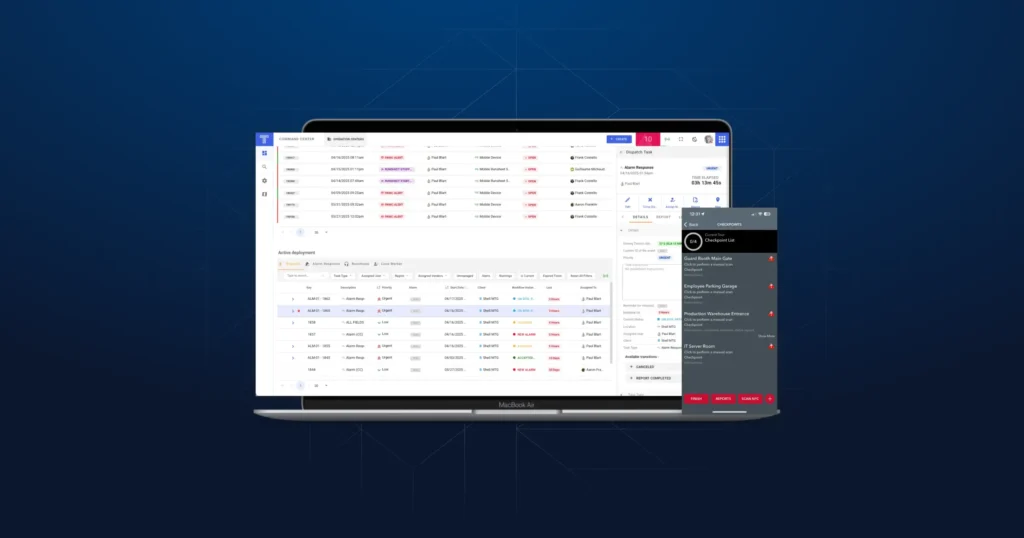
Once training needs are identified, the next step is ensuring every officer has the tools and resources to meet them. That’s where integrated management platforms come in. Unlike fragmented systems or paper-based tracking, security officer management software serves as a centralized hub for real-time oversight, training, and performance management.
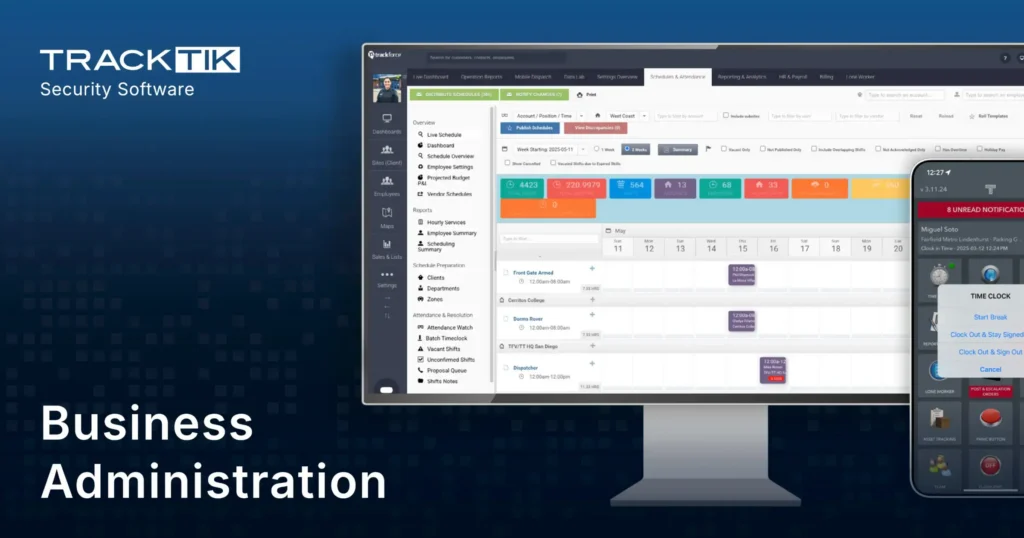
Platforms like TrackTik allow supervisors to monitor patrol completion through GPS-verified tours, manage digital incident reporting, and provide centralized training modules so officers always have access to current procedures and protocols.
The benefits of an integrated approach extend beyond convenience:
- Standardizes training across multiple sites, reducing inconsistencies
- Tracks performance and compliance automatically
- Improves communication between supervisors and officers
- Enables real-time visibility into operational readiness
|
Feature |
Traditional Approach |
Integrated Platform like TrackTik |
|
Patrol Tracking |
Paper logs, delayed reporting |
GPS-verified, real-time tours |
|
Training Access |
Manuals, inconsistent updates |
Mobile access to up-to-date procedures |
|
Incident Reporting |
Manual, delayed |
Instant digital submission and alerts |
|
Oversight |
Supervisor visits |
Centralized dashboards and alerts |
By moving to a unified system, security leaders gain visibility into officer performance, can proactively address training gaps, and maintain consistent standards across all operations.
Developing a Continuous Learning Culture
Training should never be static. Officers must remain agile, adaptable, and informed as threats, operational requirements, and best practices evolve. A continuous learning culture ensures guards are prepared to respond effectively in dynamic situations.
Practical ways to foster ongoing learning include:
- Microlearning sessions: Short, focused modules that reinforce core competencies such as situational awareness or emergency procedures.
- Mandatory refresher courses: Regularly updated instruction ensures knowledge stays current and applicable.
- Gamified exercises: Interactive training modules engage officers while reinforcing skills in a measurable way.
Embedding these practices into everyday routines strengthens readiness, reduces errors, and creates a team culture that prioritizes both safety and competence.
Automating Training and Certification Tracking
Even the most well-intentioned training program can fail without reliable tracking. Manual recordkeeping is prone to errors, overlooked updates, and missed certifications. Automation solves these challenges by ensuring training and credentials are monitored continuously.
How automation works:
- Officer completes required training or certification (e.g., CPR, patrol procedures, conflict de-escalation).
- The platform logs the digital record automatically.
- Renewal reminders are sent to prevent lapses.
- Supervisors monitor compliance in real time via dashboards.
TrackTik’s automated compliance and digital certification tracking capabilities ensure no officer falls behind. Alerts and real-time visibility allow management to address gaps before they become risks, streamlining compliance and operational oversight.
Implementing Scenario-Based Security Training
Hands-on experience is critical in physical security. Scenario-based training allows officers to practice real-world situations in controlled, safe environments, building confidence and decision-making skills.
Benefits include:
- Reinforcing procedural knowledge beyond theory
- Improving reaction times and judgment under pressure
- Generating measurable performance data for continuous improvement
Sample scenarios for diverse environments:
- Unauthorized entry or trespass
- Emergency medical incidents or fire evacuations
- Escalating conflicts between visitors or employees
- Crowd management during large gatherings
With integrated platforms, these exercises can be tracked, scored, and reported, giving supervisors actionable insight into both individual and team readiness.
Measuring and Analyzing Training Effectiveness
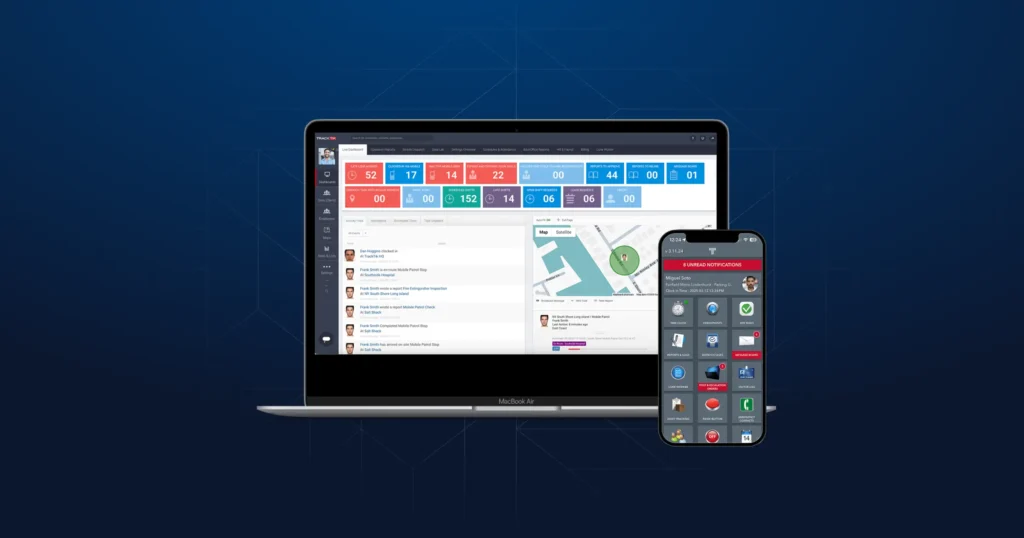
Without measurement, training improvements are impossible to quantify. Integrated platforms enable security training analytics, allowing leaders to track KPIs and evaluate the effectiveness of their programs.
Key metrics include:
- Incident response times
- Number of proactive interventions
- Patrol compliance and coverage
- Client or visitor feedback
|
Metric |
What to Measure |
Sample Benchmark |
|
Response Time |
Average time to resolve incidents |
<5 minutes |
|
Patrol Coverage |
% of scheduled routes completed |
100% |
|
Proactive Interventions |
Situations resolved before escalation |
90% |
|
Training Participation |
% of guards completing scheduled exercises |
95% |
Dashboards provide real-time visibility, enabling leaders to identify recurring gaps, adjust training programs, and ensure operational excellence across sites and industries.
Physical security is high-stakes and unforgiving of gaps. Integrated security officer management tools like TrackTik transform guard training into a continuous, measurable, and scalable process. From mobile-access training and scenario-based exercises to automated certification tracking and real-time dashboards, these platforms ensure every officer is prepared, compliant, and capable of protecting people, property, and operations in any environment.
Frequently Asked Questions
Featured Articles
Insights and advice from Spear faculty and industry experts